
Celebrated Astrologers
Many practicioners of astrology have distinguished themselves across the centuries and are still celebrated today for their often groundbreaking wisdom. Get to know the astrologers who have stood out for their exceptional and innovative approach to astrology.

- Details
- Urania Trust
- Celebrated Astrologers
Charismatic lecturer and prolific writer, at the forefront of the development of Psychological Astrology. In 1976 the publication of Liz’s second book Saturn: A New Look at an Old Devil immediately made Liz into a celebrity star in the astrological community.

- Details
- Urania Trust
- Celebrated Astrologers
A German born, American astrologer who rose to become internationally known as a lecturer and teacher. She was twice awarded the Regulus Award. With Joan McEvers she co-wrote the best selling 6 volume series The Only Way to Learn Astrology.
- Details
- Barbara Dunn
- Celebrated Astrologers
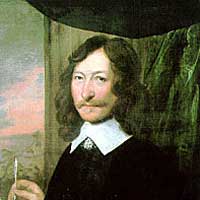
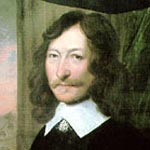
William Lilly is perhaps best remembered as the author of the classic astrology text Christian Astrology. His name stands out in the surge of astrological writings in 17th century England. He published his own almanac annually and predicted many dramatic events.
- Details
- Bill Meridian
- Celebrated Astrologers
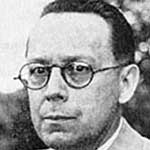
Edward Johndro was an original thinker who discovered new astrological concepts that tradition-bound astrologers were unwilling to accept. His strict scientific approach added much to the astrology toolbox: vertex, 24th harmonic, fixed stars, predictive techniques and more.
- Details
- Nick Kollerstrom
- Celebrated Astrologers
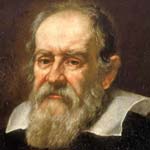
Galileo practised astrology in a matter-of-fact way. He was a heliocentric astronomer/astrologer – a radically new thing among 17th century Mathematici. He didn't re-evaluate astrology, as his contemporary Kepler did, but interpreted horoscopes to advise his patrons.

- Details
- Nick Kollerstrom
- Celebrated Astrologers
Throughout his troubled life, Kepler sought a Pythagorean unity between Astronomy and Astrology. He invented three new astrological aspects, along with his three laws of planetary motion. These were part of his quest for the Harmonices Mundi, his magnum opus.