Article Topics

Here at the Urania Trust, you will find articles on many topics such as astrology, astrologer biographies, philosophy, psychology, sacred geometry, ancient landscapes, and more. We continue to add new articles and categories.
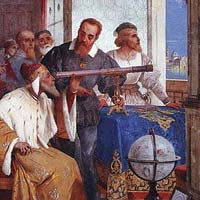
Astrology is so much more than just daily Sun Sign horoscopes or the birth chart! This ancient practice is rich with philosophy, psychology, theories and concepts, as well as a wide range of techniques and modern-day research projects.
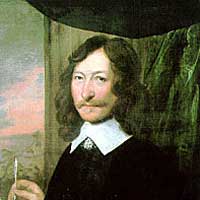
Many practicioners of astrology have distinguished themselves across the centuries and are still celebrated today for their often groundbreaking wisdom. Get to know the astrologers who have stood out for their exceptional and innovative approach to astrology.

What is life really about? The greatest human minds have pondered, debated and written their answers to this question. In this section you will find articles discussing fascinating ideas from notable philosophers.

Both the sacred and the spiritual can be observed and studied in many ways. It may be conceptual, like sacred geometry, or physical, like ancient landscape formations. These articles explore the ways we experience and work with spiritual and sacred perspectives.

Some topics are so in-depth that they deserve a more scholarly treatment that examines their history, complexity, analysis, and context. Our Academic category section is just beginning and will grow over the coming months.

This category offers a growing collection of articles about psychology. Note that psychological astrology is found in the Astrology category under Astro Psychlogy.

A cosmic mystery is afoot! We do not have any articles for this category yet, but we plan to add some soon.